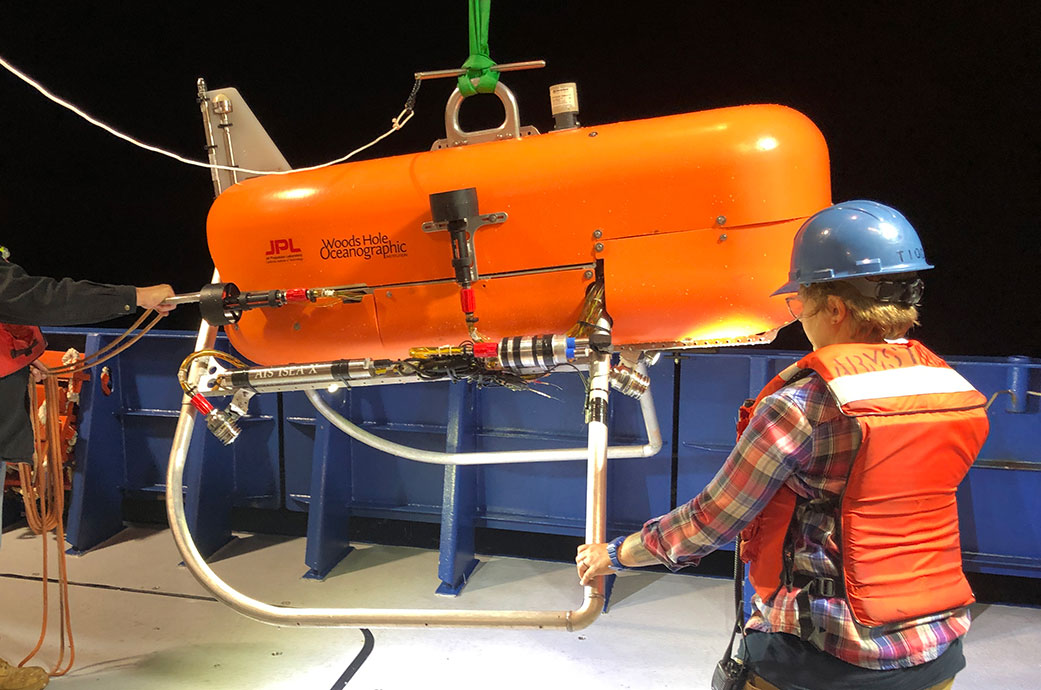
Beyond Sunlight - An Aquatic Chemosynthetic World
Habitable Ocean World
A habitable ocean world is a planet primarily covered by water, where humans and other life forms can live. Advanced technology allows for underwater cities, sustainable ecosystems, and coexistence with marine life. These worlds offer unique challenges, such as maintaining oxygen levels, and balancing human needs with the preservation of oceanic environments, fostering a harmonious relationship with nature.
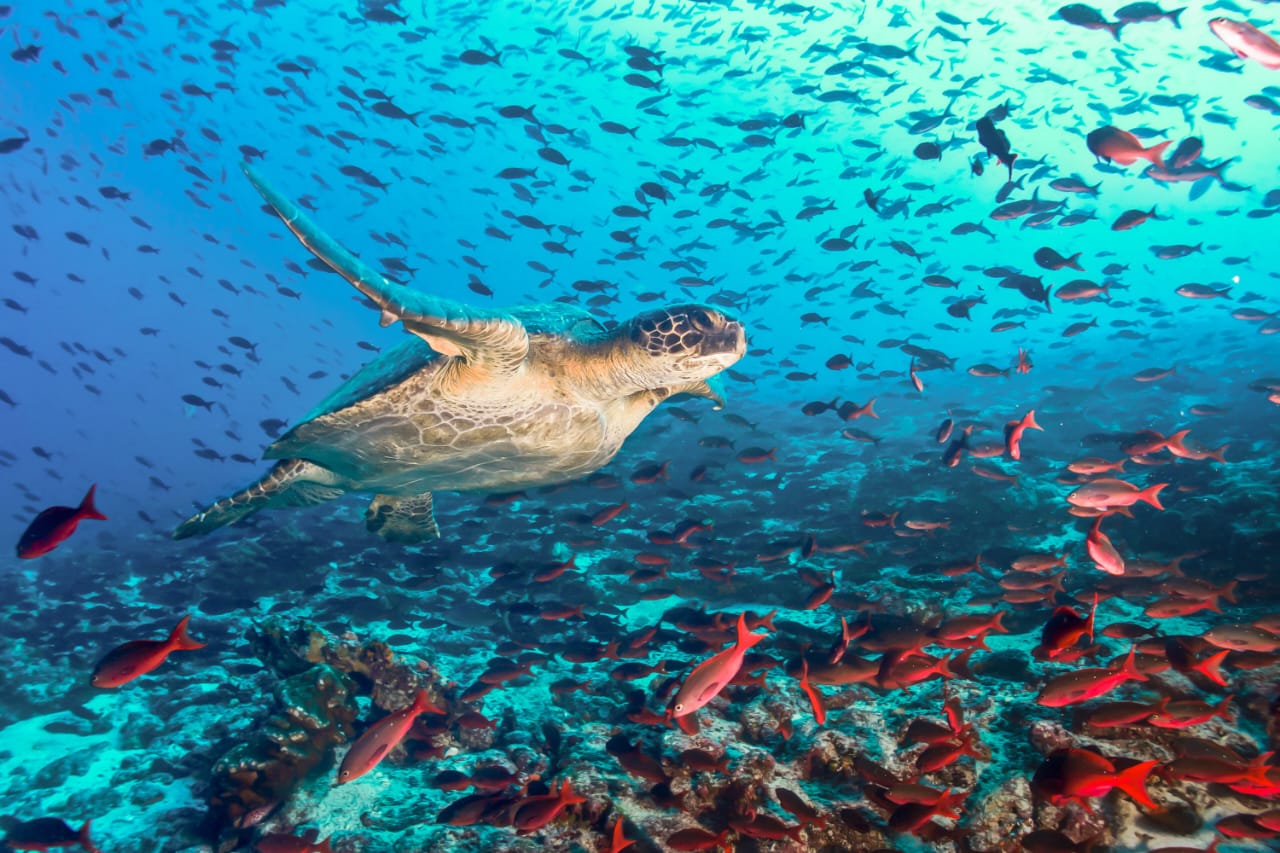
Geographical Features
Geological features are natural formations on Earth's surface, shaped by processes like erosion, volcanic activity, and tectonic movements. Examples include mountains, valleys, volcanoes, and caves. These features help scientists understand Earth's history, climate changes, and the movement of tectonic plates, offering insights into the planet's structure and evolution over millions of years.
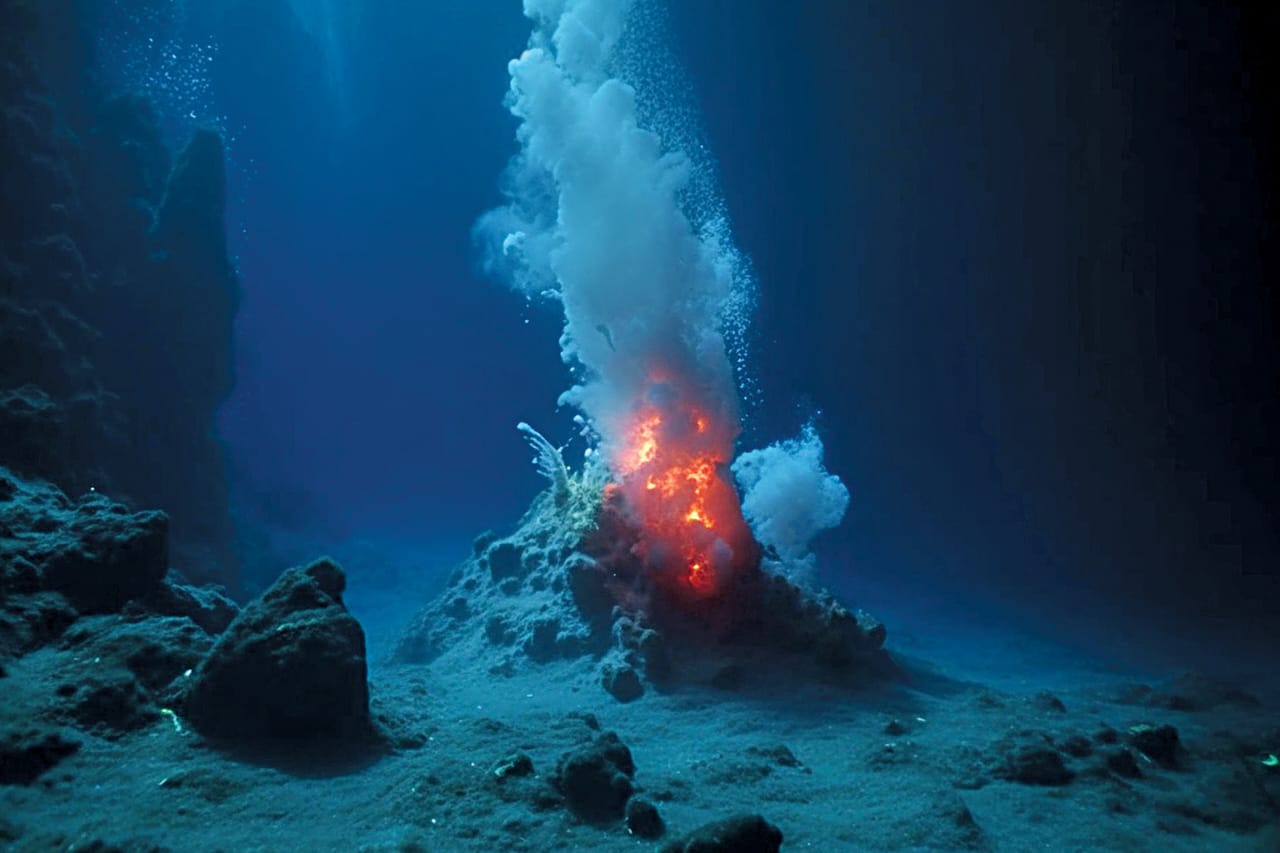
Diverse Ecosystem
A diverse ecosystem consists of various species of plants, animals, and microorganisms interacting with each other and their environment. This biodiversity helps maintain balance and resilience in ecosystems, supporting food chains, regulating climate, and enhancing soil fertility. Protecting ecosystem diversity is crucial for sustainability and the overall health of our planet.
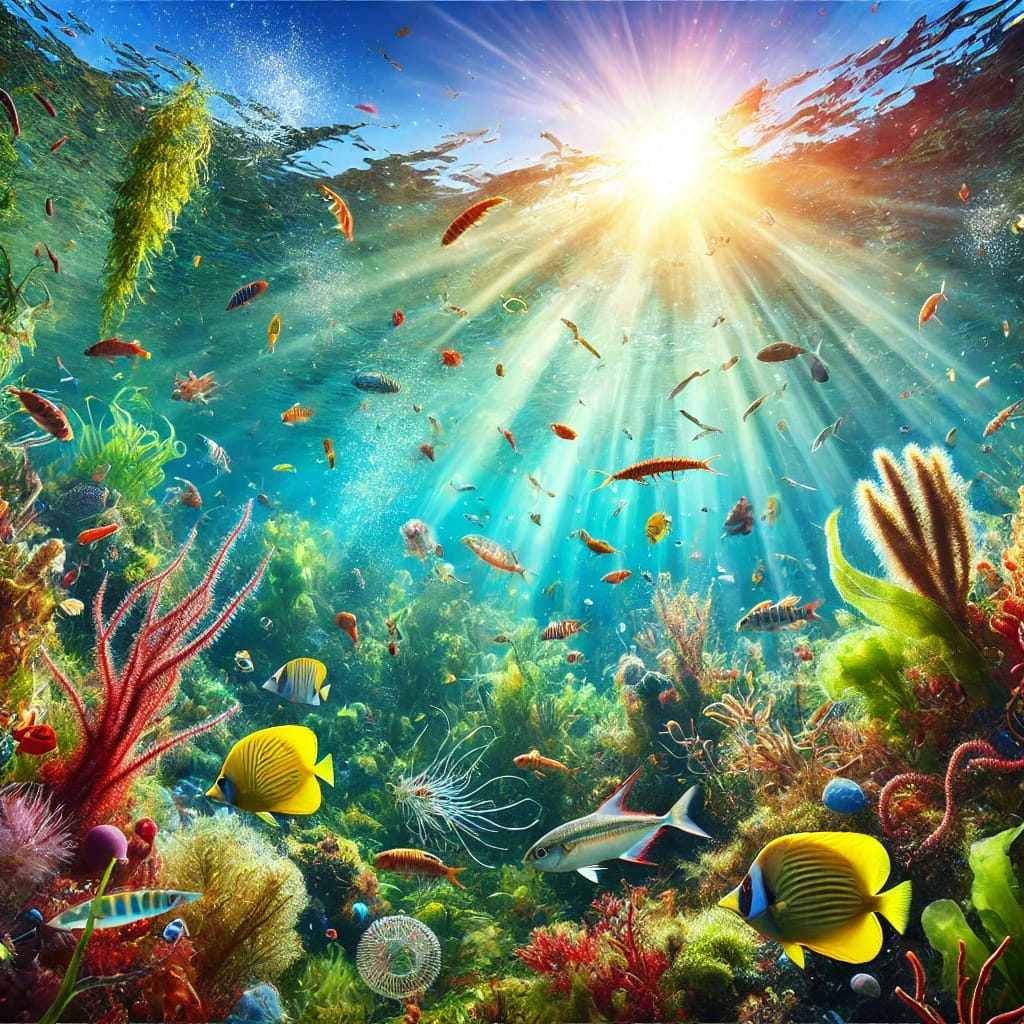
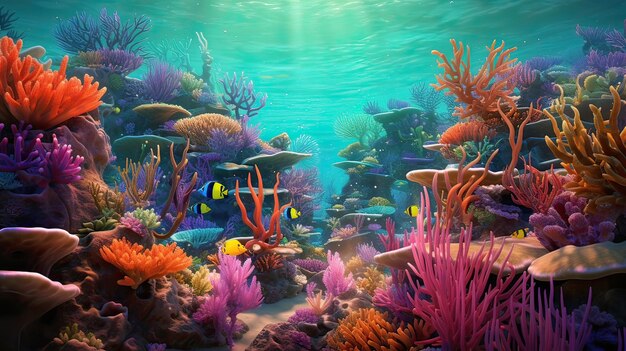
Ecosystem dynamics
Refer to the natural processes that drive changes in ecosystems over time, including energy flow, nutrient cycling, and species interactions. Factors like climate change, human activity, and natural events can disrupt these dynamics. Understanding these processes helps in predicting changes and managing ecosystems for sustainability
Video